
HEATING & COOLING PARTS
A vehicle’s engine cooling system is designed not only to prevent overheating but also to maintain an optimal operating temperature for efficient and clean engine performance. Key components include the radiator, which dissipates heat; the cooling fan(s), which ensure sufficient airflow; the thermostat, which regulates coolant flow by opening at the desired operating temperature; and the water pump (coolant pump), which circulates coolant through the engine, hoses, and related components.
Most modern vehicles also use an expansion tank that allows coolant to expand and return within the system as temperatures change, especially when the engine cools after shutdown. In addition, the cooling system is integrated with the vehicle’s cabin heating and ventilation system, as engine heat is used to warm the interior of the car.
Radiators
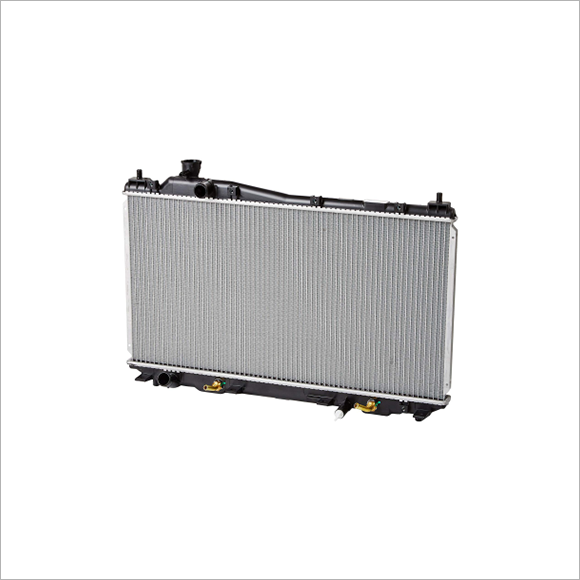
Radiators are heat exchangers used to transfer thermal energy from one medium to another for cooling or heating purposes. In automotive applications, a radiator acts as a heat dissipation component, releasing heat from the engine coolant to the surrounding environment to maintain optimal operating temperature. While it always transfers heat to its surroundings, this function can serve either to warm the environment or, more commonly in vehicles, to cool the engine coolant.
AOPEC offers over 500 radiator SKUs in the market, covering a wide range of vehicle applications, including Volkswagen, Audi, BMW, Honda, Toyota, Nissan, Chevrolet, Ford, and others.
Thermostats
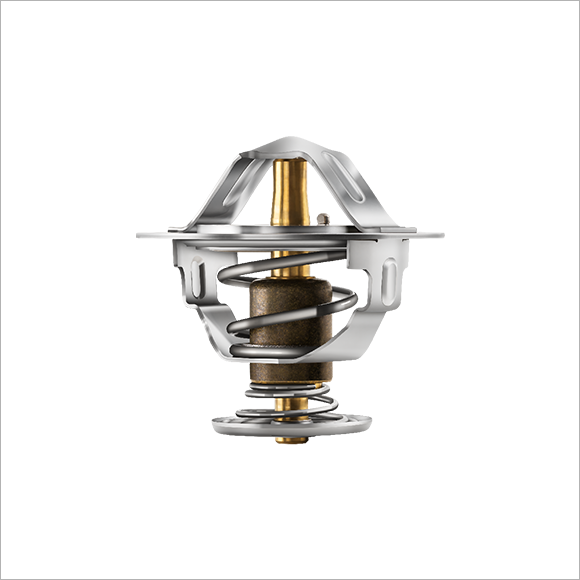
A thermostat is a component that senses the temperature of a physical system and triggers actions to maintain that system near a desired set point. In automotive applications, the thermostat integrates both temperature sensing and control functions to regulate engine coolant flow and help maintain optimal operating temperature.
AOPEC offers over 1,000 thermostat SKUs in the market, covering a wide range of vehicle applications, including Volkswagen, Audi, BMW, Honda, Toyota, Nissan, Chevrolet, Ford, and others.
Heater Cores
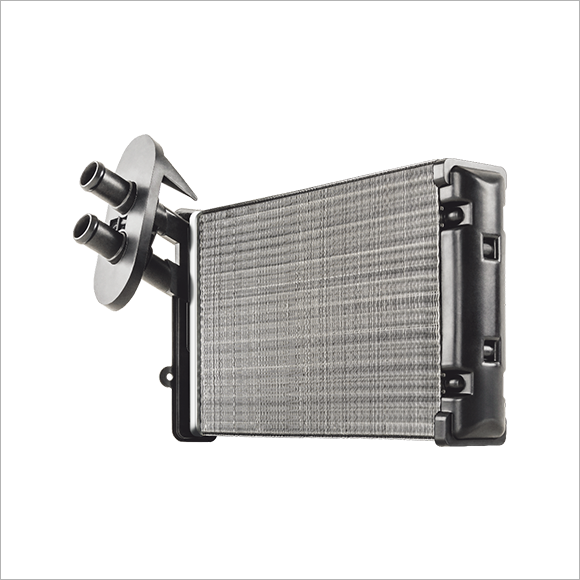
A heater core is a radiator-like component used to warm a vehicle’s cabin. Hot coolant from the engine flows through a series of winding tubes within the core, where heat is transferred to the passenger compartment. Fins attached to the tubes increase the surface area for more efficient heat exchange, while a fan forces air across the core to distribute warmth throughout the cabin.
AOPEC offers more than 1,000 heater core SKUs in the market, covering a wide range of vehicle applications, including Volkswagen, Audi, BMW, Honda, Toyota, Nissan, Chevrolet, Ford, and others.
Intercoolers
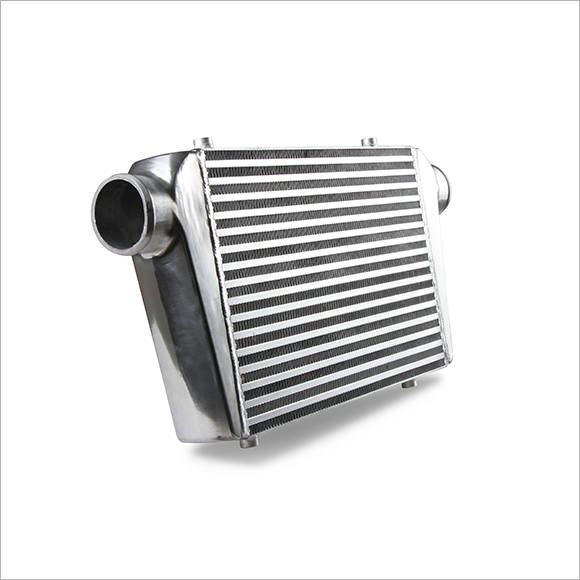
An intercooler is a mechanical device used to cool a gas after compression. It improves both efficiency and power in turbocharged engines by reducing the high temperatures of compressed intake air before it enters the engine, allowing for denser air intake and better combustion performance.
AOPEC offers more than 800 intercooler SKUs in the market, covering a wide range of vehicle applications, including Volkswagen, Audi, BMW, Honda, Toyota, Nissan, Chevrolet, Ford, and others.
Evaporators
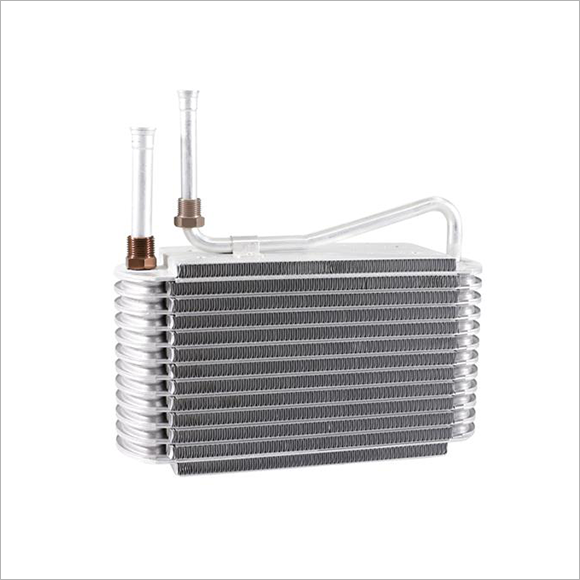
The evaporator allows the refrigerant to evaporate, changing its state from liquid to gas. As ambient air is blown across the evaporator’s surface, heat is absorbed during the phase change, causing the air to cool before being directed into the vehicle cabin.
AOPEC offers more than 500 evaporator SKUs in the market, covering a wide range of vehicle applications, including Volkswagen, Audi, BMW, Honda, Toyota, Nissan, Chevrolet, Ford, and others.
Receiver Dryers
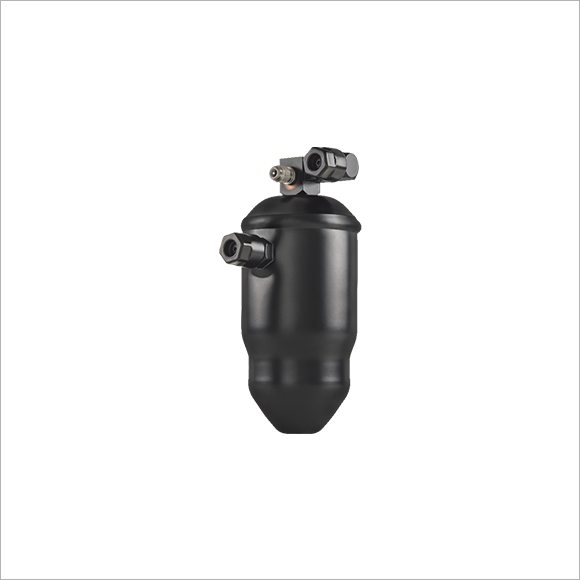
A receiver drier, also known as an accumulator, is designed to filter particles and debris circulating within the system and absorb moisture from the refrigerant. In addition, it stores refrigerant and oil, helping ensure that no liquid refrigerant enters the compressor, which could cause damage.
AOPEC offers more than 500 accumulator SKUs in the market, covering a wide range of vehicle applications, including Volkswagen, Audi, BMW, Honda, Toyota, Nissan, Chevrolet, Ford, and others.
EGR Valves
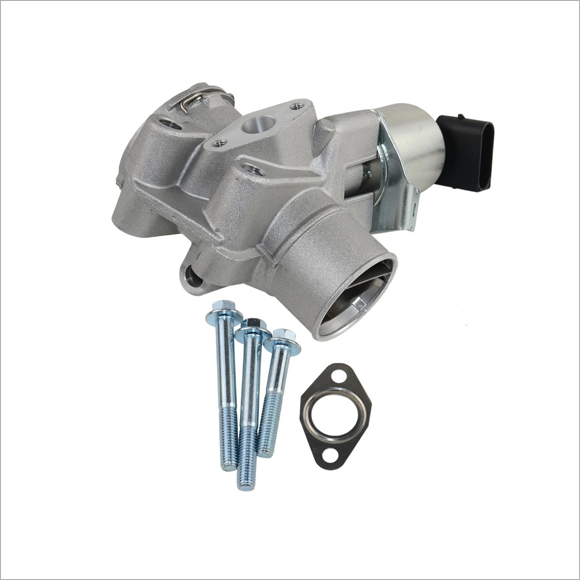
The EGR (Exhaust Gas Recirculation) valve operates by recirculating a portion of the engine’s exhaust gases back into the intake system, where they are mixed with the incoming air-fuel charge. This reduces the oxygen concentration in the combustion mixture. As a result, combustion temperatures are lowered, significantly reducing the formation of nitrogen oxides (NOx) in the exhaust.
AOPEC offers more than 1,000 EGR valve SKUs in the market, covering a wide range of vehicle applications, including Volkswagen, Audi, BMW, Honda, Toyota, Nissan, Chevrolet, Ford, and others.
Oil Coolers
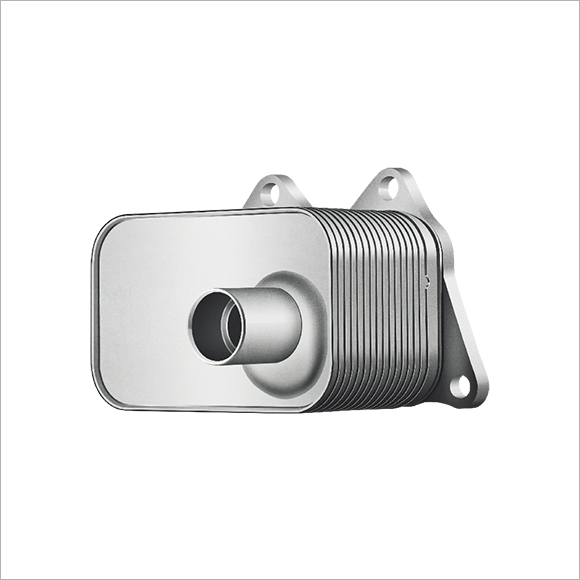
The oil cooler receives heat from the engine lubricant and transfers it to either ambient air or the radiator coolant, helping maintain optimal operating temperature. In many cases, automatic transmission oil requires a dedicated oil cooler. This is especially important in high-performance or downsized engines, where thermal management is critical to system reliability.
AOPEC offers more than 1,000 oil cooler SKUs in the market, covering a wide range of vehicle applications, including Volkswagen, Audi, BMW, Honda, Toyota, Nissan, Chevrolet, Ford, and others.
Expansion Valves
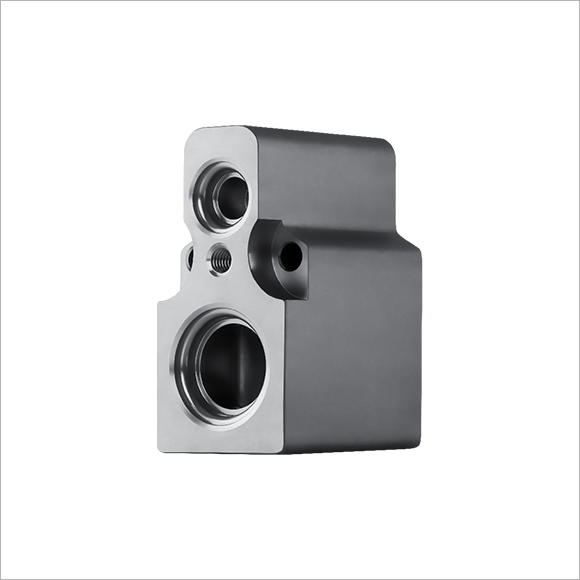
A thermal expansion valve is a component used in refrigeration and air conditioning systems to regulate the flow of refrigerant entering the evaporator. It controls the refrigerant release to maintain proper superheat, ensuring that only vapor exits the evaporator while supplying the coils with the optimal amount of liquid refrigerant for efficient heat exchange performance.
AOPEC offers more than 1,500 thermal expansion valve SKUs in the market, covering a wide range of vehicle applications, including Volkswagen, Audi, BMW, Honda, Toyota, Nissan, Chevrolet, Ford, and others.